When it comes to games, the lines can get a bit blurry. People often wonder if card games are basically the same as board games. The truth is, they’re distinct categories, even though they share a lot in common. Let’s break it down.
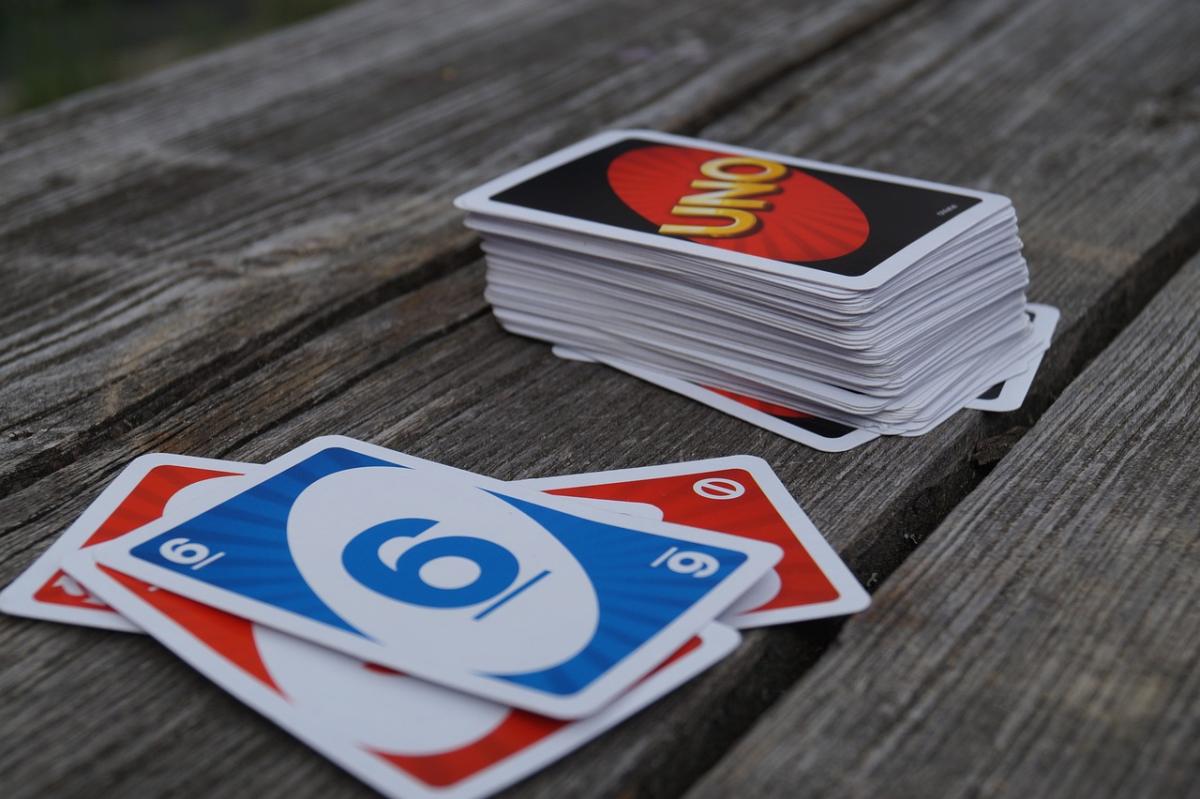
Card games are played with a deck of cards and usually focus on strategy, luck, or a mix of both. Think about games like Poker, Uno, or even Cards Against Humanity. They can vary widely in terms of complexity and style, but the core component is that deck of cards. You often play them on a table or even on your couch with friends.
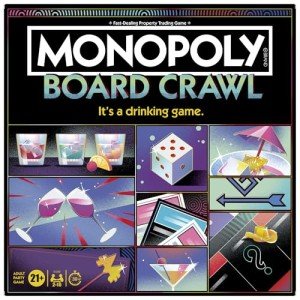
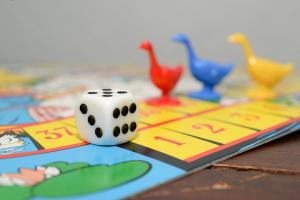
On the flip side, board games use a board as their main playing area, along with various pieces, tokens, or dice. Games like Monopoly, Settlers of Catan, and Clue fall into this category. They also come with their own set of rules and are often designed for a larger group experience. The board serves as a visual guide for where players are in the game, and that adds a whole different dynamic to how you play.
While both types of games aim to bring people together for fun and competition, they cater to different gameplay experiences. Board games often involve movement around the board and have objectives tied to that layout, while card games can be quicker and more focused on the cards in your hand. So, while you might enjoy both, you’ll definitely notice some differences in how you play and interact with others in each type of game.
Understanding the Key Differences in Gameplay
When diving into the world of tabletop games, it’s easy to blur the lines between card games and board games. They both sit on the gaming shelf and usually involve some strategy, but they each have their unique gameplay styles. Let’s break it down a bit.
Card games typically focus on the cards as the main feature of gameplay. Think of classics like Poker or Uno, where each turn revolves around playing the right card. The strategy can come from your hand, the cards you draw, and how you interact with the other players. It’s fast-paced and often more about reading your opponents and planning your moves based on what you know they’ve tossed out already.
On the flip side, board games usually have a physical board, pieces, and often a set path or structure. Games like Monopoly or Settlers of Catan rely on pieces moving around the board, dice rolls, and building strategies based on location. The interaction is often more about resource management and spatial awareness, which can make for a different kind of strategic depth.
Another difference comes from how players engage with the game. Card games can often be quicker and more flexible since they don't always require a structured board. You might find yourself playing several quick rounds of a card game in the same time it takes to finish one board game session. It’s all about the vibe you’re going for – whether you want a laid-back evening or a more immersive experience.
In the end, understanding these differences can help you decide which type of game suits your next game night. Whether you’re shuffling cards or moving game pieces, both genres offer tons of fun and social interaction. Just pick the one that feels right for your crowd!
Why People Love Both Game Types
When it comes to games, both card and board games have their own special charm that keeps players coming back for more. One major reason people love card games is their simplicity. You can learn the rules in just a few minutes and dive into the fun without much setup. Whether it's a classic like Uno or a strategic game like Magic: The Gathering, there’s something for everyone.
On the flip side, board games offer a unique experience where players can immerse themselves in intricate worlds. The tactile feel of moving pieces around a board adds a fun layer that many people enjoy. Games like Catan or Ticket to Ride encourage social interaction and strategy, making game nights lively and engaging.
The beauty is that both game types encourage socialization. They bring friends and family together, creating moments filled with laughter and friendly competition. Whether you’re shuffling cards or rolling dice, it’s about spending quality time with your favorite people. That connection is what keeps players hooked on both sides.
Another thing to love about these games is their variety. Card games range from fast-paced and easy to learn to more complex, while board games can be light and casual or deep and strategic. This variety ensures that there’s a game for every mood, whether you want to play something quick during lunch or dive into a long game on a weekend night.
Choosing the Right Game for Your Group
When it comes to picking a game for your group, there are a few things to keep in mind. Each group is unique, so think about what makes yours tick. Do you have a mix of serious strategists and casual players? Maybe everyone is in it for some laughs? Knowing your crowd helps narrow down your choices.
Next, consider the number of players. Some games work great with just 2 players, while others shine when you've got a full crowd. Check how many players each game supports. It’s no fun to find out your favorite game only works with 6 people when you only have 3 available!
Lastly, don’t forget to consider the vibes! Are you aiming for a competitive edge, or is it all about having a good time? Some games encourage friendly rivalry, while others focus on teamwork or just silly interactions. Finding a game that aligns with your group's feel is the key to an awesome game night.